
The Science Behind VitalEdge
Understanding how genomics can transform your child's health and development
Bridging Cutting-Edge Science and Everyday Parenting
We rely on evidence-based genomics, not trends. Every insight we provide is backed by peer-reviewed research and clinical validation. Our mission is to translate complex genomic science into simple, actionable insights for your child's health and development.

How Food Talks to Genes
Nutrigenomics is the study of how the foods we eat interact with our genes. Every bite of food sends signals to your child's DNA, telling certain genes to turn on or off. This interaction affects everything from metabolism and immunity to mood and cognitive function.
By understanding your child's unique genetic variants, we can identify which foods fuel their body optimally and which ones may trigger inflammation or other negative responses.
How Genetic Testing Works
Understanding the process from swab to insights
DNA Extraction
The buccal swab collects cheek cells containing DNA. Our lab extracts and purifies the DNA for analysis.
Genotyping
We analyze specific SNPs (Single Nucleotide Polymorphisms) - variations in your child's DNA that affect health and development.
Bioinformatic Analysis
Advanced algorithms interpret the genetic data, comparing it against the latest peer-reviewed research.
Personalised Report
We translate the findings into a comprehensive, easy-to-understand report with actionable recommendations.
Genes That Shape Your Child's Health
We analyze hundreds of genetic variants across multiple pathways
MTHFR & Methylation
Affects energy production, mood regulation, and cellular repair. Identifies specific B-vitamin needs.
COMT (Worrier/Warrior)
Determines how fast the brain clears stress hormones, affecting anxiety and stress resilience.
SLC6A4 (Serotonin)
Influences mood stability, happiness, and emotional regulation.
ACTN3 (Speed Gene)
Identifies muscle fiber type - power/speed vs endurance - for athletic optimization.
FTO (Obesity Gene)
Affects appetite regulation and metabolism of fats and carbohydrates.
CLOCK & Circadian Rhythm
Influences sleep-wake cycles, meal timing preferences, and daily energy patterns.

Understanding Sleep, Anxiety, and Focus
Neurotransmitters like dopamine and serotonin are the chemical messengers that dictate mood, focus, sleep cycles, and stress resilience. Genetic variations in these pathways can explain why some children struggle with concentration while others excel, why sleep patterns vary, and how different children respond to stress.
By identifying these genetic patterns, we provide targeted strategies to support your child's unique brain chemistry naturally.
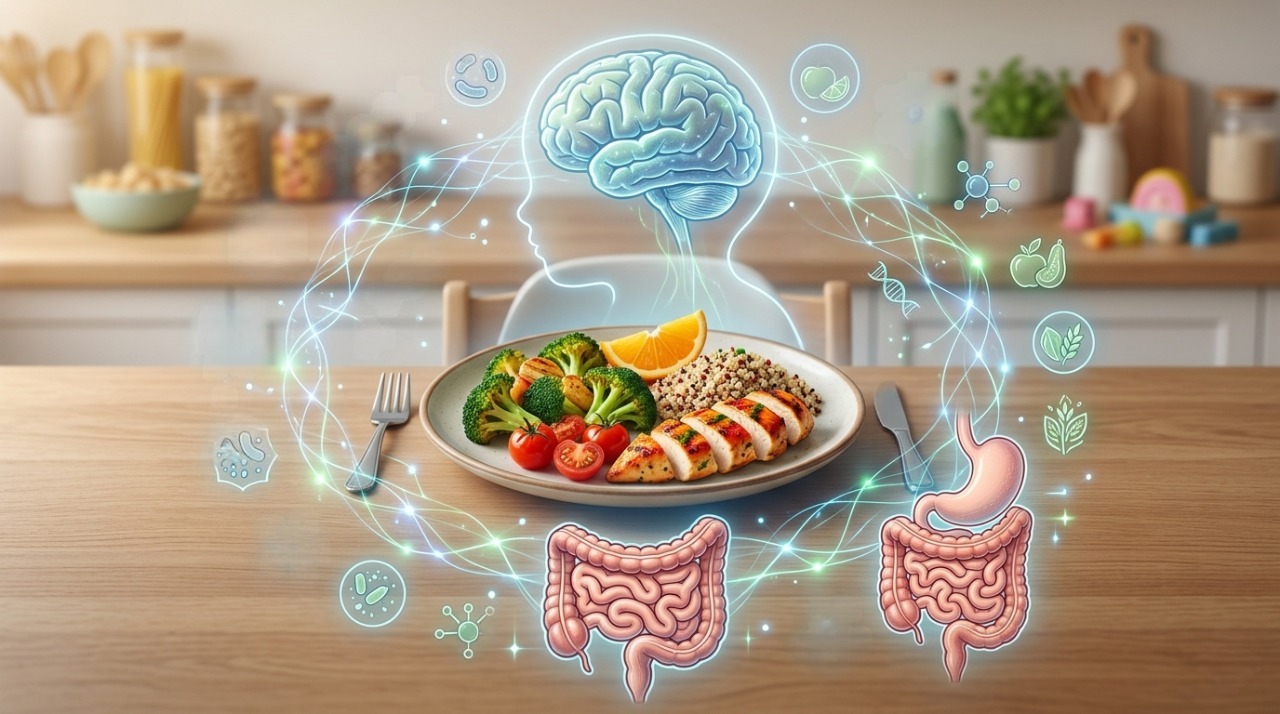
Managing Picky Eating and Intolerances
The gut-brain connection is powerful. Genetic variants can affect how your child processes different foods, their sensitivity to certain ingredients, and even their taste preferences. The "bitter taste perception" gene explains why some children are picky eaters - they literally taste bitterness in vegetables more intensely.
By understanding these genetic factors, we provide strategies to expand food acceptance, identify trigger foods, and support optimal digestive health.
Success Stories
Anonymized case studies of children who improved after testing
After discovering my son had the MTHFR variant, we switched to methylated B-vitamins. His energy levels improved dramatically and his school performance went from struggling to excelling.
Learning that my daughter is a slow caffeine metabolizer explained her anxiety after sports drinks. Switching to caffeine-free options made a huge difference in her mood and sleep.
The bitter taste perception insight was life-changing. Once we started roasting vegetables instead of steaming them, our picky eater started asking for seconds!
Ready to Unlock Your Child's Potential?
Get science-backed insights to help your child thrive
Get Started Today →